BrideKodava Saree Drape
Silk with unique drapingAllows free movement for hill terrain and paddy work


"The Warrior's Rite"
The Journey
Follow the sacred path from beginning to blessed union
Community Kitchen
Community gathers to prepare the feast

Traditional Attire
The garments that define the celebration
Sacred Ornaments
Each piece earns its own reveal — click a card to uncover its meaning

Traditional Kodava necklace worn by married women

Traditional forehead ornament worn by Kodava brides

War knife essential to Kodava identity and Baale Birud ritual
The Feast
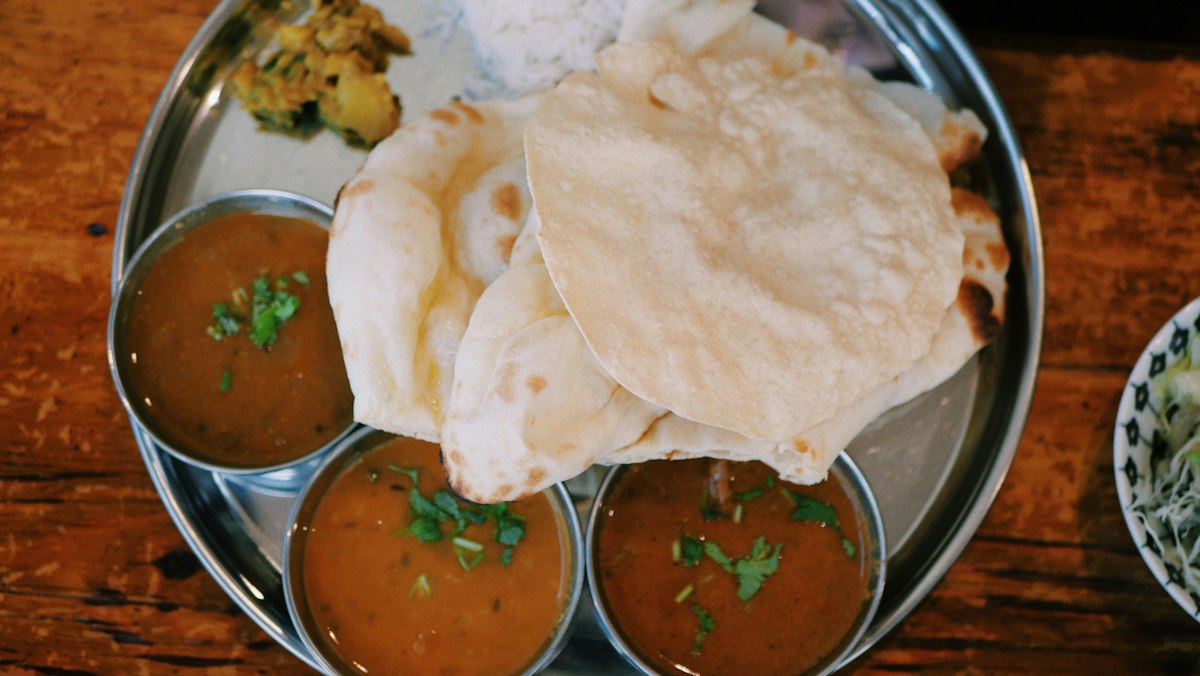
The non-vegetarian exception—famous for Pandi Curry, reflecting hunting/foraging history
Distinctives
Unique elements of the celebration
One of the few Hindu weddings conducted by community elders
Deep emphasis on blessing from ancestors rather than deities
Reflects Kodava identity as land-owning warrior community